How Silicon Valley Bank Changed Raising
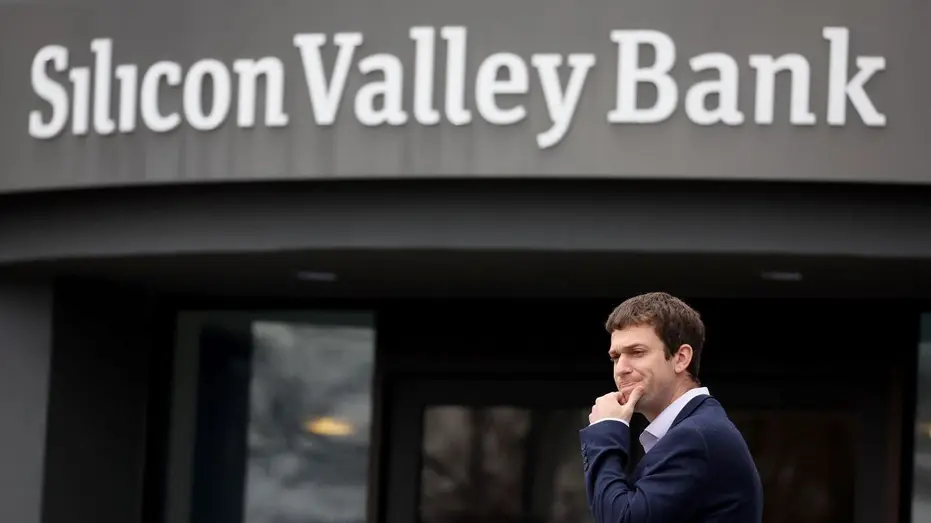
For decades, Silicon Valley Bank was the quiet infrastructure behind the startup world. Founders didn't talk about it the way they talked about term sheets or valuations, but almost every early stage company banked there, and almost every VC recommended it. Then, in March 2023, it collapsed in less than 48 hours. What happened next didn't just shake the banking industry. It changed how founders think about raising money, managing cash, and choosing who to trust with their company's survival.
A Bank Built Into the Ecosystem
SVB wasn't just another bank. It understood startups in a way traditional banks never bothered to. It offered venture debt, worked closely with VCs, and became the default choice for companies that had just closed a funding round and needed somewhere to park millions of dollars with no revenue yet to show for it.
That closeness was exactly what made its collapse so dangerous. When a bank is this deeply woven into an industry, a crack in its foundation doesn't stay contained. It spreads through every company connected to it.
The Weekend That Changed Everything
The collapse itself moved fast. Rising interest rates had quietly put pressure on SVB's bond holdings, and a wave of withdrawal requests from startups turned that pressure into a full blown bank run. Founders spent a weekend refreshing banking apps, trying to figure out if payroll would clear on Monday.
For companies with tens of millions of dollars sitting in SVB accounts, much of it above the FDIC insured limit, the fear wasn't abstract. It was existential. Some founders genuinely didn't know if they would be able to pay their teams.
Regulators eventually stepped in and guaranteed all deposits, but the damage to trust had already been done. Founders learned, almost overnight, that the infrastructure they assumed was permanent could disappear in a weekend.
Why This Changed How Founders Raise
The SVB collapse didn't just change where startups bank. It changed what investors expect to see in a pitch, and it changed what founders need to prove before anyone writes a check.
Runway conversations got sharper. Before SVB, a founder could get away with a vague answer about how many months of cash they had left. After SVB, investors started asking pointed questions about where that cash actually sits, how it's spread across accounts, and what happens if one institution has a bad week. A deck that doesn't address this looks naive.
Financial discipline became a pitch requirement, not a nice to have. Founders are now expected to show they understand treasury management, not just product and growth. Diversifying deposits across multiple banks, understanding FDIC limits, and having a contingency plan are now baseline expectations rather than advanced topics.
Investors started asking about operational resilience earlier. It's no longer enough to have a great product and a growing user base. Investors want to know the company can survive a shock that has nothing to do with the market or the competition. SVB taught everyone that risk doesn't only come from bad decisions. Sometimes it comes from the infrastructure you didn't think to question.
Trust in "everyone does it this way" disappeared. Before the collapse, banking with SVB wasn't really a decision founders made. It was the default, recommended by lawyers, accelerators, and investors alike. After the collapse, founders started asking harder questions about every vendor and partner they relied on by default, not just banks.
What This Means for Your Deck
If you're raising right now, this history isn't just a news story. It shows up in diligence conversations whether you bring it up or not. Investors have internalized the lesson, even if they don't say SVB's name out loud.
A pitch deck that shows financial maturity, not just ambition, stands out. That means being able to speak clearly about cash management, runway assumptions, and what happens if something outside your control goes wrong. It's not about padding your deck with a slide on banking risk. It's about being ready for the question when it comes, because it will.
How VCs Changed Their Own Behavior
It wasn't only founders who adjusted. Venture firms rewrote parts of their own playbooks too. Many started requiring portfolio companies to spread deposits across at least two or three banks as a condition of the deal. Some built internal checklists for cash management that founders now see during diligence, right alongside questions about churn and margins.
A number of firms also started treating banking relationships as part of their own risk management. If dozens of portfolio companies had exposure to a single point of failure, that was a fund level problem, not just a founder level one. This pushed treasury management further up the priority list during term sheet negotiations, something that used to be an afterthought handled after the round closed.
A New Kind of Founder Homework
Before SVB, most early stage founders never thought twice about where the money sat once it hit their account. Now, treasury management shows up on early hire checklists and board meeting agendas. Founders are expected to know terms like sweep accounts, money market funds, and laddered treasuries, not because they need to become bankers, but because investors expect basic fluency.
This shift also created a small industry of its own. Startup focused treasury and banking tools emerged specifically to help founders diversify deposits and automate cash management without needing a finance background. What used to be handled by instinct is now handled with actual infrastructure, built because the old default no longer felt safe.
What Founders Still Get Wrong
Even years later, a lot of decks still treat financial planning as a formality rather than a story. Founders will show a burn rate chart with no explanation of assumptions, or a runway number that doesn't account for any kind of disruption. That's the exact gap SVB exposed. Investors aren't just checking if the math adds up. They're checking whether the founder has thought about what happens when something outside their control breaks.
The founders who stand out now are the ones who treat financial resilience as part of the pitch, not a footnote buried in an appendix slide. It doesn't need to dominate the deck, but it needs to be there, and it needs to sound like it comes from real thinking rather than a template.
The Bigger Lesson
The SVB collapse was a reminder that startups don't operate in a vacuum. The infrastructure around fundraising, from banks to platforms to service providers, can shift quickly, and founders who understand that are the ones who build companies that survive long enough to raise the next round.
Raising money was never just about telling a good story. It was always about proving you can be trusted with capital in good conditions and bad ones. SVB just made that lesson impossible to ignore, and it's a lesson that now shows up quietly in almost every pitch meeting, whether the bank's name ever gets mentioned or not.
Ready to
get started?
Helping founders turn rough decks into investor-ready pitches.
All systems operational
©
FounderPitch. All rights reserved.